Cleaning dumpsters is not a glamorous subject, but if you own or manage a home in Ridgewood, Bergen County, it is one of the more practical maintenance tasks you can address with professional power washing. A neglected dumpster or outdoor trash enclosure becomes a source of foul odors, organic buildup, mold, bacteria, and pest attraction — problems that affect your family, your neighbors, and the overall appearance of your property. This guide covers what the process actually involves, why it matters more than most homeowners expect, how to decide whether to hire a professional or attempt it yourself, and what honest pricing looks like for this type of work.
Why Dumpster Cleaning Gets Ignored (and Why That Is a Mistake)
Most homeowners in Ridgewood focus their outdoor cleaning budgets on driveways, siding, and roofs — all reasonable priorities. Dumpsters and trash enclosures tend to get skipped because they sit out of sight and the mess inside seems self-contained. In reality, the buildup on the interior and exterior surfaces of a dumpster creates several concrete problems:
- Bacteria and pathogens. Meat juices, food waste, and organic liquids pool at the bottom of a dumpster and breed bacteria quickly, especially through New Jersey's humid summers when temperatures regularly climb into the 90s and accelerate microbial growth.
- Persistent odors. Once organic matter bonds to metal or plastic surfaces, ordinary rinsing does nothing. The smell radiates outward and can reach your patio, entryway, or neighboring yards — a real issue in Ridgewood's tighter residential lots.
- Pest attraction. Cockroaches, flies, rats, and raccoons are drawn to residue they can smell even when the bin is empty. Bergen County has a well-documented raccoon population, and a dirty dumpster or trash enclosure is an open invitation for repeated intrusions.
- Mold and mildew growth. Moisture trapped inside a dumpster — particularly in wooden or composite trash enclosures — creates ideal conditions for mold, which becomes both a health concern and a visible eyesore on your property.
- Surface degradation. Acidic food waste, grease, and standing water corrode metal bins and break down the protective coatings on plastic containers faster than most homeowners expect, shortening the life of equipment that is not cheap to replace.
What Professional Power Washing Actually Does for Dumpsters
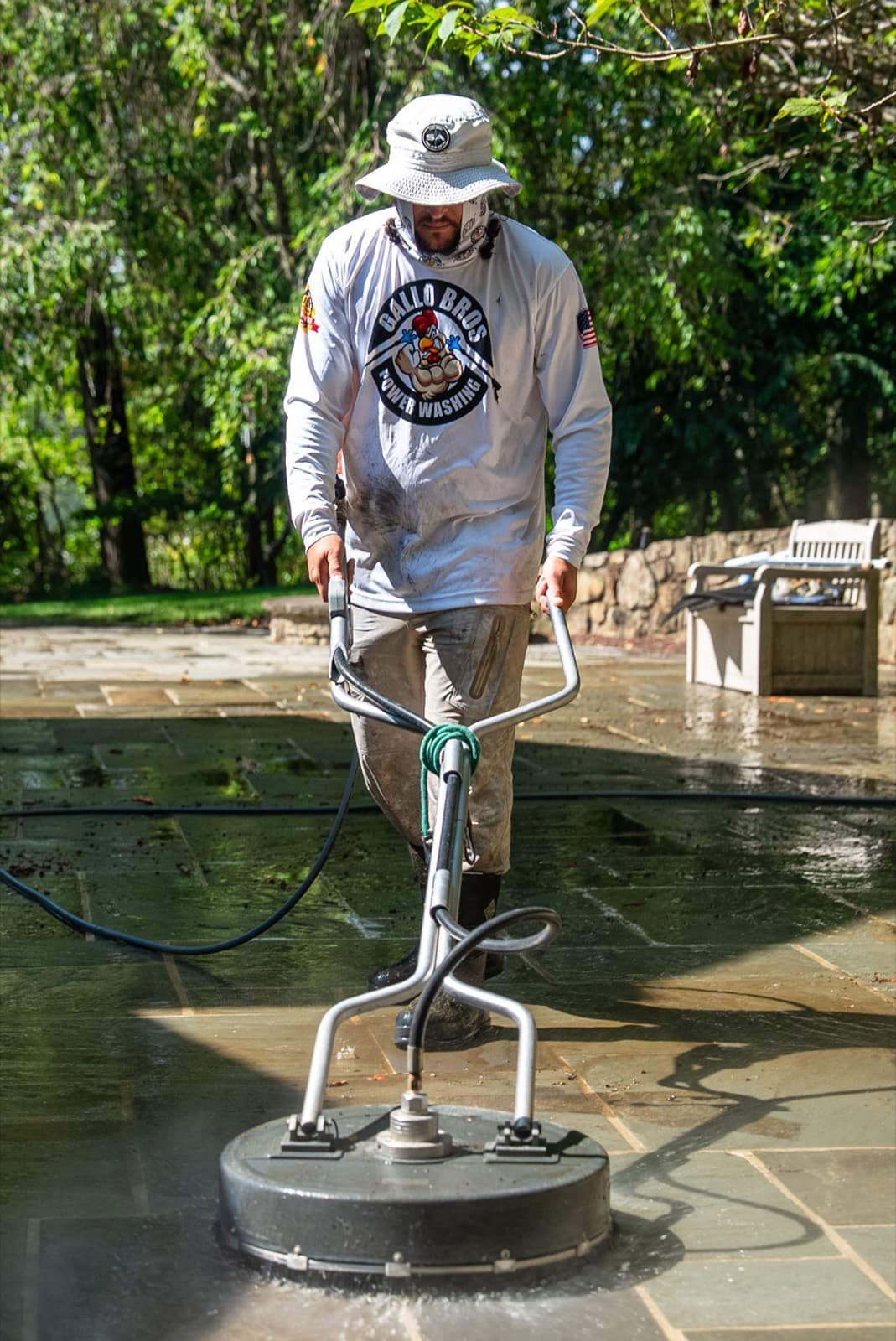
A trained technician approaches cleaning dumpsters very differently than a garden hose or a basic consumer pressure washer ever could. Professional power washing equipment delivers water at high pressure — typically between 2,000 and 4,000 PSI depending on the surface material and condition — combined with commercial-grade cleaning agents that break down grease, kill bacteria, and neutralize odor-causing compounds rather than simply displacing them to another surface.
For a standard residential dumpster or set of roll-out bins, the process typically includes:
- A pre-rinse to remove loose debris and surface dirt from the interior and exterior
- Application of a commercial-grade degreaser or biodegradable detergent appropriate for the specific surface material
- High-pressure hot water washing of interior walls, the floor, and all exterior panels
- A thorough final rinse to flush all residue and cleaning solution away from the surfaces
- Optional sanitizing treatment for bins used primarily for food waste or in higher-use situations
Hot water is particularly important for this type of work. Cold-water pressure washing loosens visible grime, but hot water — sometimes called steam washing — is significantly more effective at dissolving grease and killing the bacteria responsible for persistent odor. A reputable exterior cleaning company will use hot-water equipment for dumpster work; it is worth asking about this directly before you book anyone.
Dumpster Enclosures and Trash Areas: A Bigger Scope Than You Might Expect
Many Ridgewood properties have not just a rolling bin but a full enclosure — a wooden, vinyl, or masonry structure built to screen the trash area from street view. These enclosures develop their own layer of problems over time: mildew on wood slats, algae on concrete pads, grease stains on the ground surface, and odor that soaks into porous materials and becomes extremely difficult to remove without the right equipment and chemistry.
Cleaning a trash enclosure is a separate task from cleaning the bin itself, and the two are almost always worth scheduling together. Concrete or paver pads underneath trash areas may also need a surface cleaning treatment, particularly if you notice dark biological staining, slippery algae growth, or visible grease pooling. Visit our Ridgewood service page to see the full range of exterior cleaning work we handle throughout this area.
One detail that often surprises homeowners: wooden enclosures absorb odors into the grain of the wood itself. Pressure washing removes surface contamination effectively, but if the wood has not been cleaned in several years, a follow-up application of an appropriate wood cleaner or brightener may be necessary to fully address deep staining and embedded odor. This is worth discussing during any on-site assessment so you get an accurate scope and price upfront.
How Often Should You Schedule This Service in New Jersey?
For most residential properties in Ridgewood, professional dumpster and trash area cleaning once or twice a year is a sensible baseline. If your household generates a significant amount of food waste, you host frequent gatherings, or you have already noticed persistent odors or pest activity, quarterly service makes more practical sense. Several factors push toward more frequent cleaning:
- Households with young children or pets who regularly spend time near the trash area
- Properties with wooden enclosures, which absorb odors and retain moisture more readily than masonry or vinyl structures
- Homes where bins sit in a warm, south-facing location with limited airflow — a common layout on tighter Bergen County lots
- Any property that has recently dealt with a pest intrusion, where eliminating food odors is a critical part of preventing a repeat problem
- Properties adjacent to wooded areas or parks, where wildlife pressure is higher year-round
Spring and fall are the most logical scheduling windows for New Jersey homeowners. Spring cleaning makes sense because bacteria multiply rapidly as temperatures climb above 50°F, and any organic material that built up over winter begins to off-gas as it thaws. Fall service clears out summer accumulation before bins sit sealed and relatively undisturbed through the colder months, which can concentrate odors and give mold a chance to establish itself on interior surfaces.
Can You Do This Yourself?
Honest answer: you can attempt it, but most homeowners underestimate what is required to do it properly. A standard consumer-grade pressure washer delivers cold water at lower pressure and lacks the detergent injection systems and heating capacity of professional equipment. You can remove surface dirt and loose debris, but you will very likely leave behind the bacteria, embedded grease, and odor compounds that cause the actual problems you are trying to solve.
There is also the wastewater question. Cleaning a dumpster generates contaminated runoff — water mixed with food waste residue, grease, bacteria, and whatever cleaning agents you applied. Letting that drain freely into a storm system is not appropriate, and in many municipalities it may violate local regulations. Professional crews are equipped to manage wastewater responsibly.
If you are committed to a DIY approach, use the hottest water your equipment allows, select a proper degreasing detergent rated for food waste, and scrub the interior thoroughly before rinsing. Wear eye protection and gloves. Dispose of rinse water in a sanitary drain, not a storm drain. Understand going in that without hot-water professional equipment, you are likely managing the appearance rather than fully resolving the underlying contamination.
What Does Professional Dumpster Cleaning Cost?
Pricing for cleaning dumpsters varies meaningfully depending on several factors: the size and number of containers, the condition of the interior surfaces, the material involved (metal, plastic, wood enclosure), whether you are also having a surrounding pad or full enclosure cleaned at the same time, and how long it has been since the bins were last properly serviced. There is no single flat rate that applies across all situations, and any company that gives you a confident price over the phone without seeing the job should be viewed with some skepticism.
As a general framework: straightforward residential bin cleaning for one or two standard roll-out carts sits at the lower end of the exterior cleaning price spectrum. Adding enclosure washing, a concrete or paver pad treatment, or a sanitizing application will increase the total. Larger dumpsters, heavily soiled interiors, and enclosures that have not been cleaned in multiple years all require more time, chemistry, and equipment — and are priced accordingly. The most reliable way to get an honest number is a quick on-site assessment where a technician can see exactly what you have and what it needs.
Frequently Asked Questions About Dumpster Cleaning in Bergen County
Do I need to empty my bins before service? Yes. The containers should be empty so the technician can access all interior surfaces. Most homeowners schedule service the day after a regular trash pickup.
How long does the service take? For a standard two- or three-bin residential setup, the cleaning process typically takes under an hour. Larger enclosures, heavily soiled interiors, or combination jobs that include pad cleaning will take longer.
Will the cleaning products harm my landscaping? Professional crews use biodegradable detergents appropriate for residential use and take care to direct rinse water away from planted areas. If you have particularly sensitive plantings adjacent to your trash area, mention this when you schedule.
Is dumpster cleaning really worth the cost? If you have ever dealt with a persistent odor problem, a repeated pest intrusion, or mold inside a wooden enclosure, the answer is almost always yes. Preventive cleaning is considerably cheaper than pest remediation, enclosure replacement, or the ongoing frustration of a trash area that affects your enjoyment of your outdoor space.
Why Ridgewood Homeowners Work With Gallo Bros
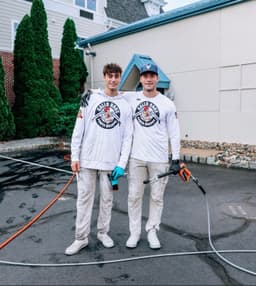
Gallo Bros Power Washing is a family-owned company operated by brothers Zach and Nick Gallo, serving Ridgewood and the surrounding Bergen County communities. We are licensed, fully insured, OSHA-certified, and members of the Power Washers of North America (PWNA). We have earned more than 834 five-star reviews from homeowners across North Jersey — not by overpromising or cutting corners, but by arriving prepared, using the right equipment for each specific job, and being straightforward about what a property actually needs and what it will cost.
Dumpster and trash enclosure cleaning is a smaller scope job for some households and a recurring priority for others. Either way, we approach it with the same care and equipment we bring to every exterior surface we work on.
If your Ridgewood property has a dumpster, roll-out bins, or a trash enclosure that has been overlooked, the right starting point is a free on-site assessment. We will look at what you have, give you an honest scope of work, and provide a straightforward price — no guesswork, no surprises. Request your free quote here and we will get back to you promptly.